BMW iX1 2026
BMW iX1 2026 is a German-built compact electric SUV featuring a 64.8 kWh battery, 440 km or 273 miles WLTP range, and 204 hp front-wheel drive powertrain. It accelerates from 0–100 km/h in 8.6 seconds and supports 130 kW DC fast charging. Starting at $48,500 USD, BMW iX1 provides premium interior technology and efficient urban performance.


| Body Type | SUV |
| Model Year | 2026 |
| Manufactured in | Germany |
| Battery Capacity (kWh) | 64.8 |
| Electric range (mi) | 273 |
| Max. Speed (mi/h) | 106 |
| 0-62 mi/h (sec) | 8.6 |
| Power (h.p.) | 204 |
| Power Type | electric |
| Drive Type | FWD |
* Minimum price set for the base trim by the manufacturer

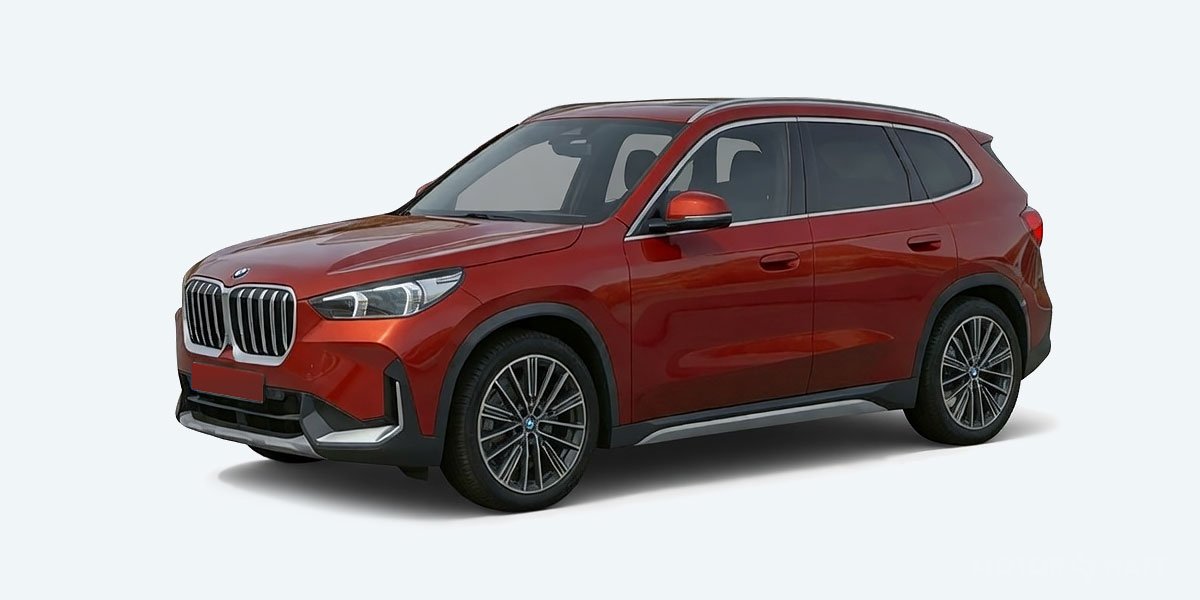
Exterior and Interior photos of BMW iX1 2026
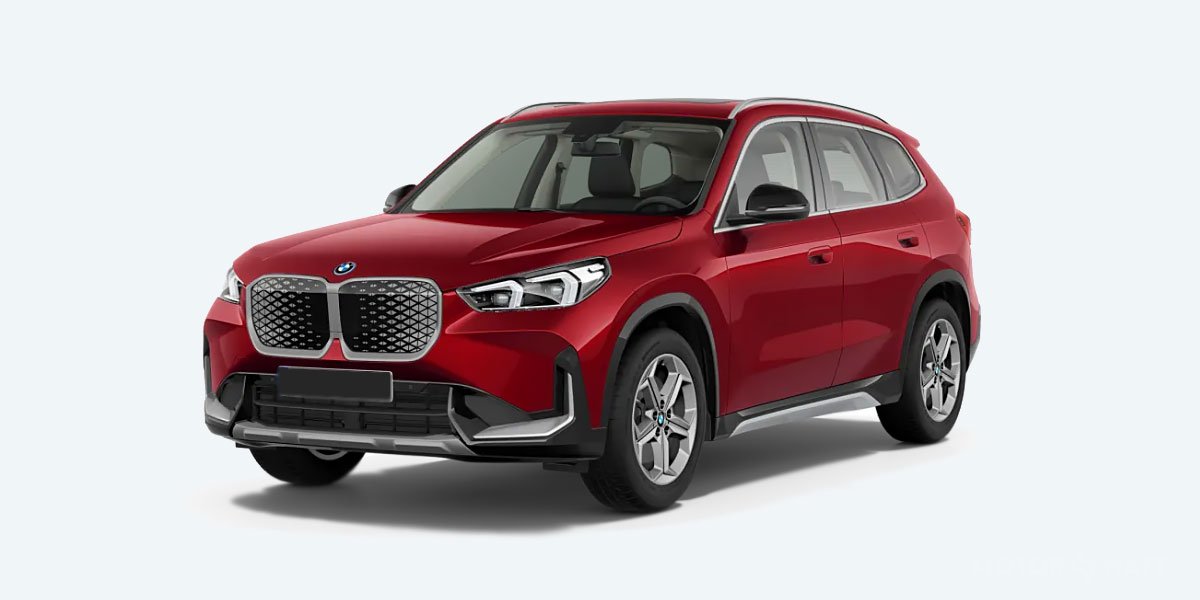
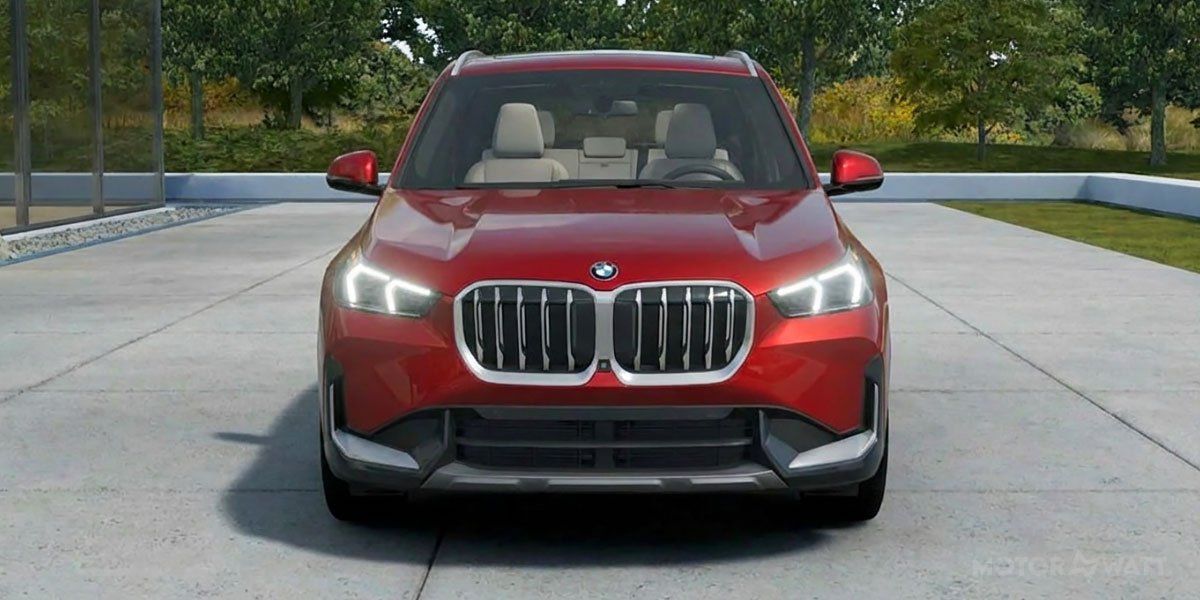
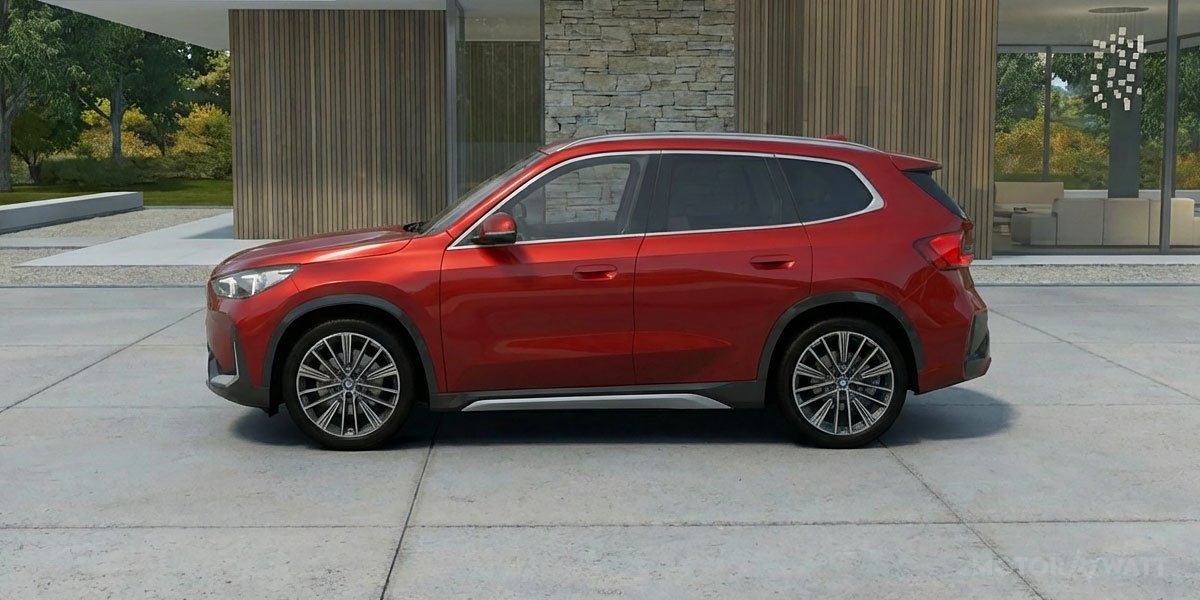
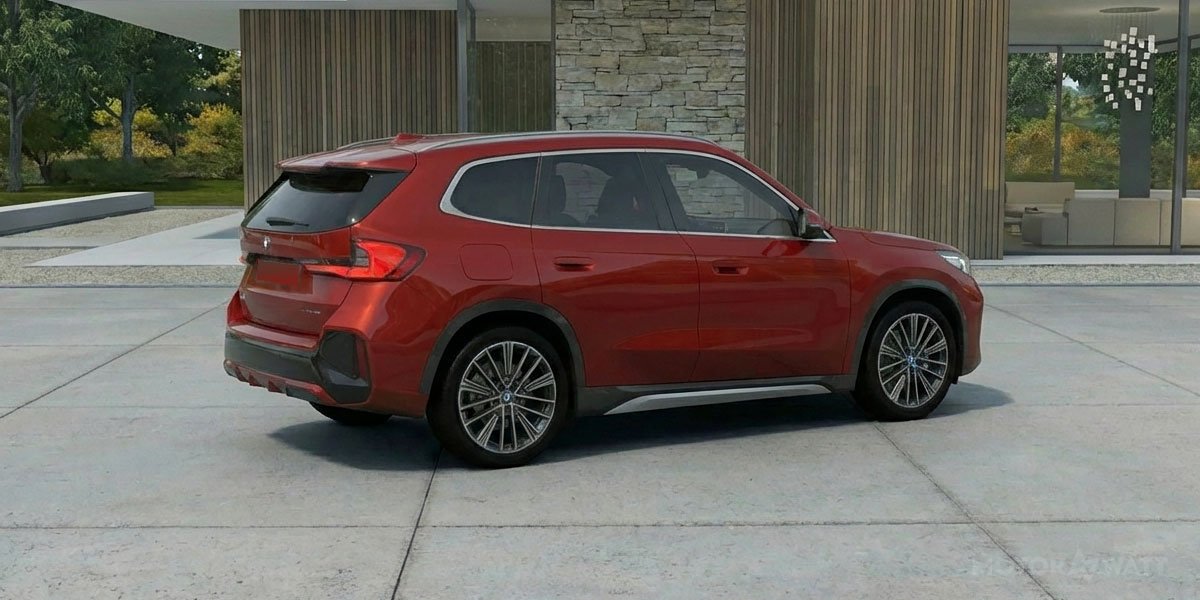
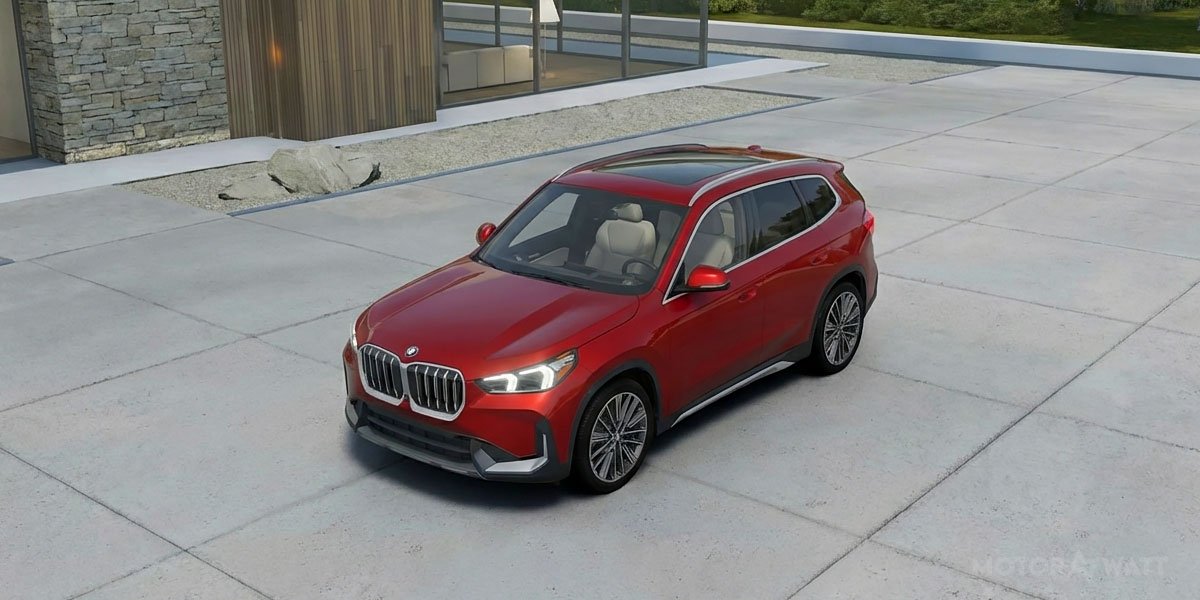
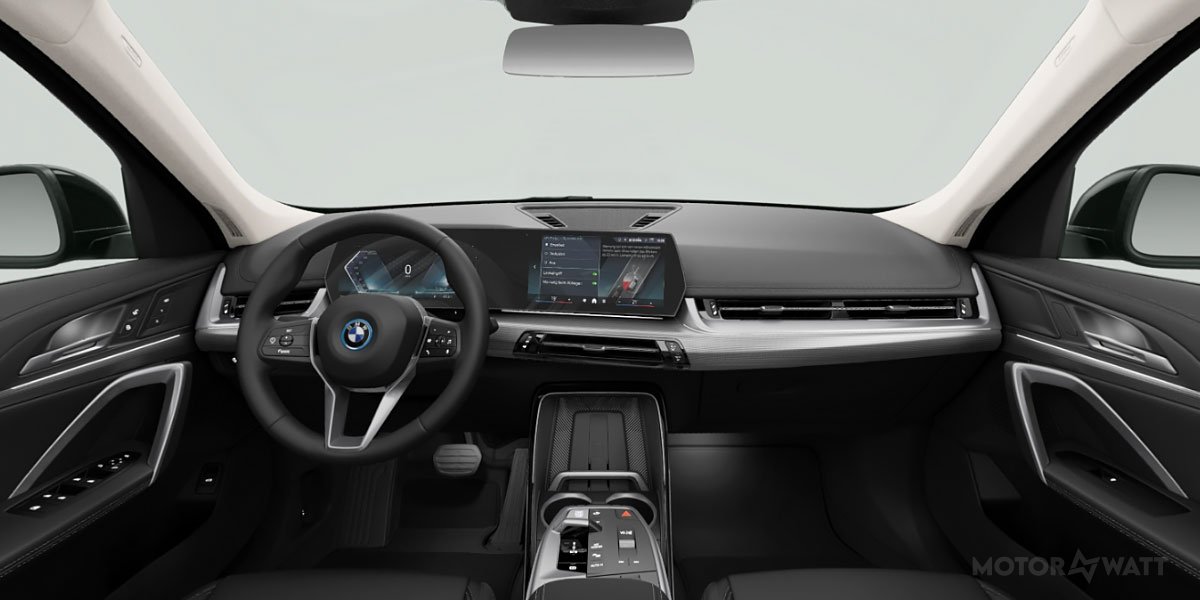
What is the BMW iX1 2026?
BMW iX1 2026 Introduction:
BMW iX1 enters 2026 as a compact luxury electric SUV built in Germany and engineered for drivers who crave premium refinement without gasoline dependency. As an entry-level electric Sports Activity Vehicle, it anchors BMW’s urban-focused electric SUV strategy. The model rides on the U11 platform and delivers a confident 204 hp electric output, a 64.8 kWh battery, and up to 440 km of WLTP electric range. That equals roughly 273 miles, ideal for daily commuting and weekend escapes. With a starting price of $48,500 USD ($41,100 EUR), it positions itself as a premium yet attainable BMW electric SUV in the compact luxury segment. Buyers seeking a compact luxury electric SUV with authentic driving character will appreciate its blend of efficiency, craftsmanship, and precise road manners.
- Manufactured in Germany with production aligned to BMW’s electrification roadmap for 2026.
- Unveiled as part of the third-generation X1 family, fully electric from inception on the flexible U11 architecture.
- Introduces refined aerodynamics and Operating System 9 integration for a sharper digital interface.
- Base MSRP starts at $48,500 USD ($41,100 EUR), targeting urban premium EV buyers.
- Positions as a premium urban EV competing directly with Audi Q4 e-tron and Mercedes EQA.
What is the Price of BMW iX1 in 2026?
The BMW iX1 price starts at $48,500 USD ($41,100 EUR). That places it squarely in the compact luxury electric SUV class, offering German craftsmanship and advanced EV technology at a competitive entry point.
| Trim Level | PRICE | KEY FEATURES |
|---|---|---|
|
eDrive20 xLine
|
Single front motor FWD. Delivers 150 kW or 204 hp and 250 Nm torque. WLTP range reaches 440 km or 273 miles from a 64.8 kWh battery. AC charging at 11 kW completes 0–100% in 6.5 hours. DC fast charging at 130 kW reaches 10–80% in 29 minutes.
|
|
|
eDrive20 M Sport
|
Adds sport suspension tuning, larger 19-inch wheels, and enhanced aerodynamic accents. Maintains 204 hp output and refined regenerative braking system with Adaptive mode.
|
|
|
xDrive30 xLine
|
Dual-motor AWD configuration. Increased power output and improved traction. Enhanced driving engagement and upgraded interior trim elements.
|
|
|
xDrive30 M Sport
|
Performance-focused trim. Larger 20-inch wheels, M aerodynamic styling, and sport seats. Dual-motor AWD powertrain optimized for sharper acceleration.
|
Each trim refines the BMW iX1 range strategy. Base versions prioritize efficiency and urban agility. M Sport trims emphasize athletic design and suspension tuning. AWD variants deliver stronger acceleration and confident grip. Battery capacity remains 64.8 kWh across the lineup, ensuring consistent charging performance.
Engine, Battery, and Performance Specs:
Battery & Charging Specifications
The 64.8 kWh net battery underpins daily usability. WLTP range reaches 440 km, equal to about 273 miles. Real-world urban driving can stretch near 250 miles under moderate conditions. AC charging at 11 kW fills the battery in roughly 6.5 hours. DC charging peaks at 130 kW, restoring 10–80% capacity in 29 minutes. Adaptive regenerative braking enhances efficiency by adjusting deceleration based on traffic data.
- Battery capacity: 64.8 kWh
- Range: 440 km or 273 miles WLTP
- AC charging: 11 kW
- DC fast charging: 130 kW
Electric Motor Specifications
A front-mounted electric motor produces 150 kW, equivalent to 204 hp. Torque peaks at 250 Nm or 184 lb-ft. Power flows to the front wheels in the eDrive20 configuration. The system delivers linear acceleration and immediate torque response. And that low center of gravity, thanks to the floor battery, enhances cornering stability.
- Power: 150 kW or 204 hp
- Torque: 250 Nm or 184 lb-ft
- Drive type: Front-Wheel Drive
- Powertrain: Full-electric BEV
Performance Specifications
Acceleration from 0–100 km/h takes 8.6 seconds. That equals 0–62 mph in the same timeframe. Top speed reaches 170 km/h or 106 mph. Suspension tuning balances comfort and agility. Precision steering ensures a nimble feel in tight urban corners.
- 0–100 km/h: 8.6 seconds
- Top speed: 170 km/h or 106 mph
- Curb weight: 1,940 kg or 4,277 lbs
BMW iX1 specs highlight efficiency with premium dynamics. Urban commuters benefit from quiet propulsion. Enthusiasts appreciate responsive steering and balanced weight distribution.
Exterior and Interior Features
Exterior Design
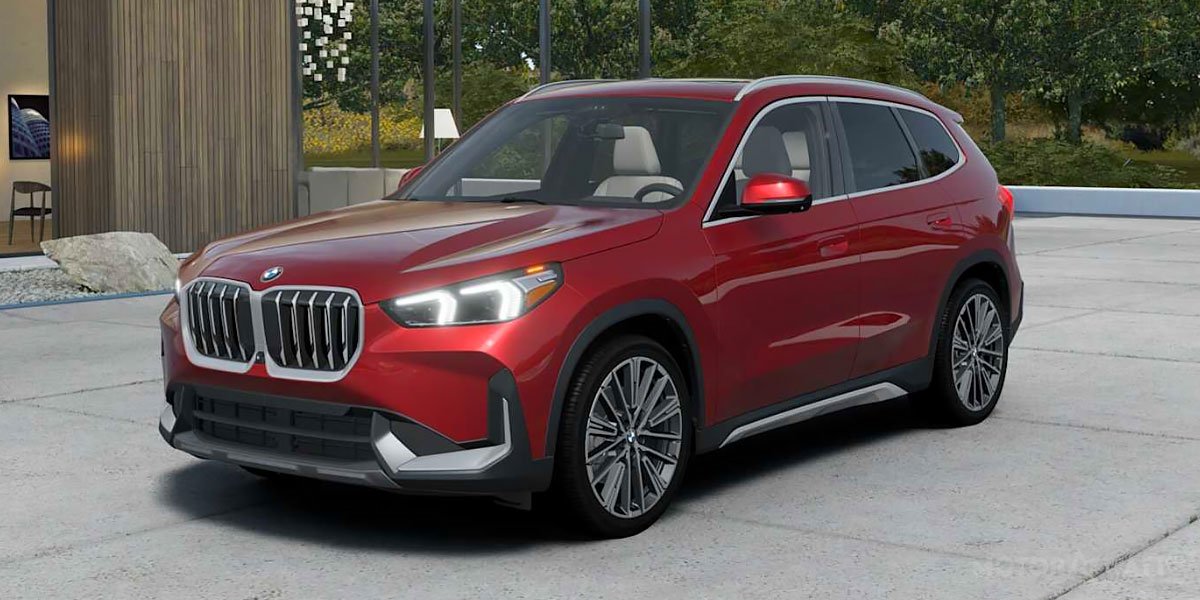
The exterior maintains upright SAV proportions. Length measures 4,500 mm or 177 inches. Width spans 1,845 mm or 72.6 inches. Height reaches 1,616 mm or 63.6 inches. A closed kidney grille signals electric identity. Slim Adaptive LED headlights frame the front fascia. Aerodynamic tweaks lower drag to 0.26. Wheel options range from 18 to 20 inches.
Interior & Technology
Inside, BMW Curved Display dominates the dashboard. A 10.25-inch cluster merges with a 10.7-inch infotainment screen. Operating System 9 integrates 5G connectivity. Wireless Apple CarPlay and Android Auto come standard. Cargo capacity ranges from 490 liters to 1,495 liters, or 17.3 to 52.8 cubic feet. Sustainable Veganza upholstery enhances eco appeal.
Interior space feels airy. Digital controls simplify operation. Cargo versatility supports family needs. Premium materials reinforce brand credibility.
Pros and Cons:
Pros
- Competitive BMW iX1 price for a luxury EV
- 273-mile WLTP range supports daily commuting
- High-quality German interior craftsmanship
- Fast 130 kW DC charging capability
Cons
- Front-wheel drive in base trim limits sporty traction
- Range trails some long-range rivals
- Firm ride quality over rough pavement
Market position & Expert Data:
BMW iX1 operates within a competitive compact electric SUV segment. According to Reuters, European EV sales rose 16% in 2025, reflecting sustained demand for premium electric crossovers. Data reveals compact SUVs remain the fastest-growing EV category. And that trend supports the BMW iX1’s urban positioning.
Research from McKinsey indicates over 45% of new EV buyers prioritize charging speed and digital integration in 2026. Operating System 9 directly addresses that expectation. Market analysts highlight brand familiarity as a deciding factor for 38% of first-time luxury EV buyers.
Conclusion:
BMW iX1 delivers premium electric mobility in a compact format. It combines 204 hp performance, 273-mile range, and refined German engineering. Charging remains practical with 130 kW DC capability. Urban drivers seeking a luxury EV with authentic BMW character will find strong value at $48,500 USD ($41,100 EUR).
Watch the Video Overview

Full specifications
Model Specs
| Specification | Actual Data |
|---|---|
|
Model Name
|
iX1
|
|
Model Year
|
2026
|
|
Vehicle Class
|
Compact Luxury Electric SUV
|
|
Body Style
|
5 door SUV / SAV
|
|
Manufacturer
|
BMW Group
|
|
Country of Origin
|
Germany
|
Performance Specifications
| Specification | Actual Data |
|---|---|
|
Powertrain Type
|
Full Electric BEV
|
|
Drive Type
|
Front Wheel Drive FWD
|
|
Maximum Power
|
150 kW 204 hp
|
|
Torque
|
250 Nm 184 lb ft
|
|
Acceleration 0 to 62 mph 0 to 100 km h
|
8.6 seconds
|
|
Top Speed
|
170 km h 106 mph
|
Battery and Charging
| Specification | Actual Data |
|---|---|
|
Battery Capacity Net
|
64.8 kWh
|
|
AC Charging Rate
|
11 kW 0 to 100 percent in 6.5 hours
|
|
DC Fast Charging Rate
|
130 kW 10 to 80 percent in 29 minutes
|
Estimated Range Data
| Specification | Actual Data |
|---|---|
|
WLTP Range
|
440 km 273 miles
|
|
Estimated Real World Range
|
230 to 260 miles 370 to 418 km depending on conditions
|
Body Specifications
| Specification | Actual Data |
|---|---|
|
Length
|
4500 mm 177.2 in
|
|
Width
|
1845 mm 72.6 in
|
|
Height
|
1616 mm 63.6 in
|
|
Wheelbase
|
2692 mm 106 in
|
|
Curb Weight
|
1940 kg 4277 lb
|
Exterior Design Features
| Specification | Actual Data |
|---|---|
|
Available Colors
|
Mineral White Cape York Green Frozen Pure Grey
|
|
Aerodynamics
|
Drag coefficient 0.26 with flat underbody and air curtains
|
|
Wheel Options
|
18 to 20 inch aerodynamic alloy wheels
|
Interior Design and Materials
| Specification | Actual Data |
|---|---|
|
Upholstery Options
|
Veganza vegan leather Alcantara Sensatec combinations
|
|
Cargo Capacity
|
490 to 1495 liters 17.3 to 52.8 cubic feet
|
Cabin Technical Features
| Specification | Actual Data |
|---|---|
|
Display System
|
10.25 inch digital cluster plus 10.7 inch infotainment curved display
|
|
Operating System
|
BMW Operating System 9 with 5G connectivity
|
|
Driver Assistance
|
Active Driving Assistant with collision warning lane departure warning and park distance control
|
How does it compare?
BMW iX1 steps into a crowded compact electric SUV lane and it has to earn attention the hard way: range math, charging rhythm, and price logic. Cross shop it against Toyota bZ4X Touring, MG MGS6 EV, Volvo EX60, and Mercedes-Benz GLC EV. The numbers look close at a glance, yet daily usability separates them fast. And once winter arrives, charging speed and efficiency start running the show.
| EV Model | PRICE (USD) | KEY FEATURES | EV PAGE |
|---|---|---|---|
|
BMW iX1
|
Model Year 2026, Manufactured in Germany, Range 273.4 mi (440 km) WLTP, Battery 64.8 kWh, Drive Type FWD, Acceleration 0 to 62 mph (0 to 100 km/h) 8.6 sec., Top Speed 105.6 mph (170 km/h), Power 204 hp (152.1 kW) |
||
|
Toyota bZ4X Touring 2026
|
Model Year 2026, Manufactured in Japan, Range 275.9 mi (444 km), Battery 57.7 kWh, Drive Type FWD, Acceleration 0 to 62 mph (0 to 100 km/h) 7.5 sec., Top Speed 99.4 mph (160 km/h), Power 168 hp (125.3 kW) |
View | |
|
MG MGS6 EV 2026
|
Model Year 2026, Manufactured in China, Range 329.3 mi (530 km) WLTP, Battery 77 kWh, Drive Type RWD, Acceleration 0 to 62 mph (0 to 100 km/h) 7.3 sec., Top Speed 124.3 mph (200 km/h), Power 244 hp (182.0 kW) |
View | |
|
Volvo EX60 2026
|
Model Year 2026, Manufactured in Sweden, Range 348.0 mi (560 km) WLTP, Battery 82 kWh, Drive Type RWD, Acceleration 0 to 62 mph (0 to 100 km/h) 6.7 sec., Top Speed 111.8 mph (180 km/h), Power 272 hp (202.8 kW) |
View | |
|
Mercedes-Benz GLC EV 2026
|
Model Year 2026, Manufactured in Germany, Range 323.1 mi (520 km) WLTP, Battery 85 kWh, Drive Type RWD, Acceleration 0 to 62 mph (0 to 100 km/h) 6.5 sec., Top Speed 111.8 mph (180 km/h), Power 282 hp (210.3 kW) |
View |
Range and Real World Usability Comparison
The range spread tells two stories: test cycle optimism and real commute reality. The Swedish entry posts 348.0 mi (560 km) WLTP and even calls out about 300.1 mi (483 km) mixed use, plus 280.2 mi (451 km) highway and a 10 to 20 percent cold weather hit. MG swings big at 329.3 mi (530 km) WLTP, while Mercedes sits at 323.1 mi (520 km) WLTP with a larger battery buffer. Toyota stays practical at 275.9 mi (444 km), and it also suggests about 240 to 260 mi (386 to 418 km) mixed driving.
Charging Time and Daily Convenience Comparison
Fast charging pace decides how annoying road trips feel. Toyota peaks at 150 kW and reaches 10 to 80 percent in about 28 minutes, a tidy stop for a family focused EV. Volvo also targets 10 to 80 percent in about 28 minutes at 175 kW, while Mercedes lands at 31 minutes at 175 kW. MG brings 144 kW peak and about 38 minutes from 10 to 80 percent, still workable but less snappy. Home charging sits near the overnight norm, with 11 kW AC common across the group.
Price Positioning and Value Logic Comparison
Price sets the tone before any test drive happens. Toyota undercuts the pack at $34,900, and it aims straight at mainstream value with familiar crossover packaging. MG lands at $48,000 and trades brand cachet for a longer WLTP headline and RWD hardware. Volvo starts at $52,000, asking for Scandinavian polish plus a strong real world range narrative. Mercedes climbs to $62,500, leaning on premium comfort and an 85 kWh battery to justify the jump. And BMW iX1 at $48,500 sits in the middle, priced like a premium badge play with city friendly dimensions.
Daily Use Reality Check for USA and Europe
For urban life, efficiency and packaging matter more than bragging rights. Front wheel drive options keep the learning curve gentle in wet weather, while rear wheel drive setups feel cleaner on turn in and often ride smoother on the highway. Cold climates change the math, so a stated 10 to 20 percent winter range penalty gives useful planning guardrails. If daily charging happens at home, AC times become routine background noise. For frequent highway trips, the best pick tends to be the one with the steadiest charging curve, not the biggest brochure number.