JAC iEV7L 2024
The JAC iEV7L 2024 accelerates to 100 km/h in just 5.5 seconds with a maximum speed of 120 km/h. Powered by a 33 kWh battery, it has a range of 320 km. Priced at US$ 16,200, it features advanced safety systems, a spacious interior, and unique Pininfarina design.


| Body Type | sedan |
| Model Year | 2024 |
| Manufactured in | China |
| Battery Capacity (kWh) | 33 |
| Electric range (mi) | 199 |
| Max. Speed (mi/h) | 75 |
| 0-62 mi/h (sec) | 5.5 |
| Power (h.p.) | 61 |
| Drive Type | FWD |
* Minimum price set for the base trim by the manufacturer

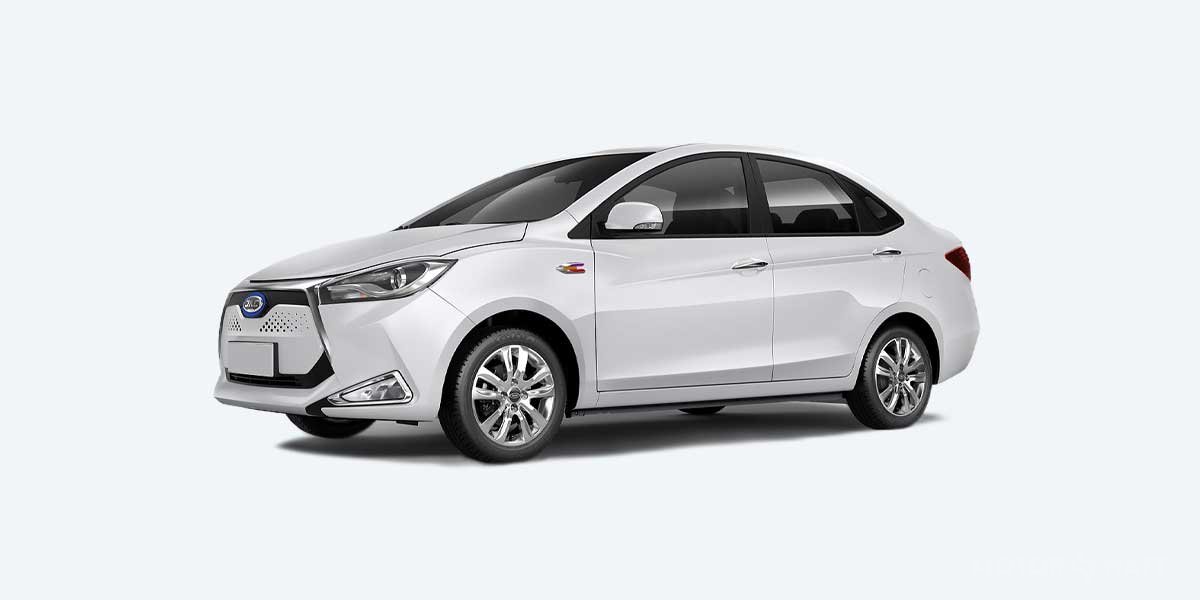
Exterior and Interior photos of JAC iEV7L 2024
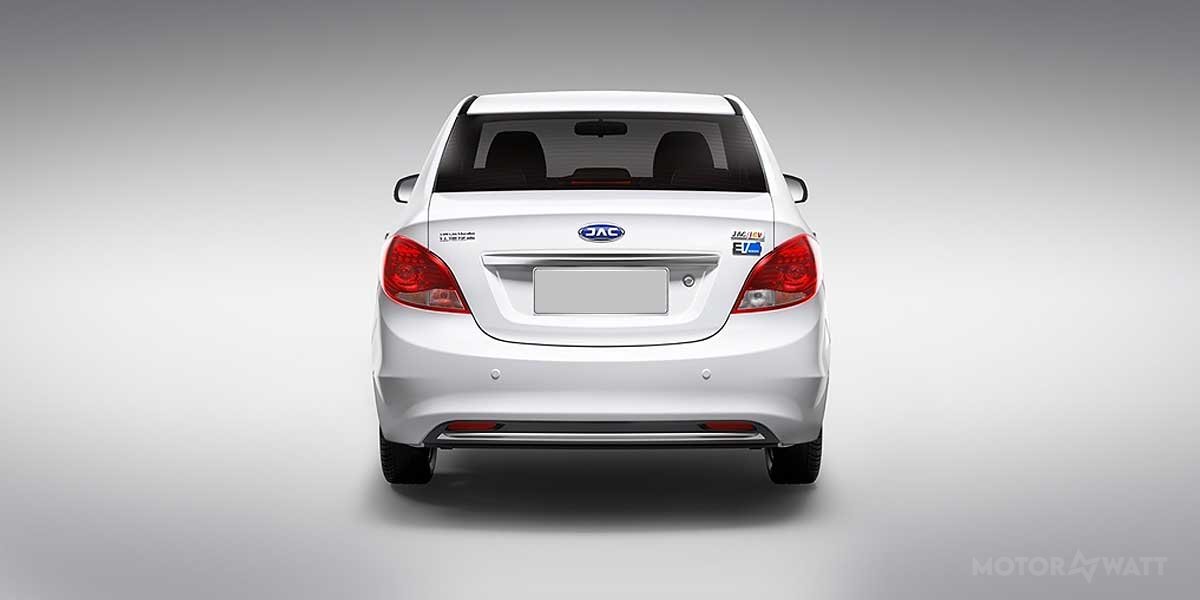
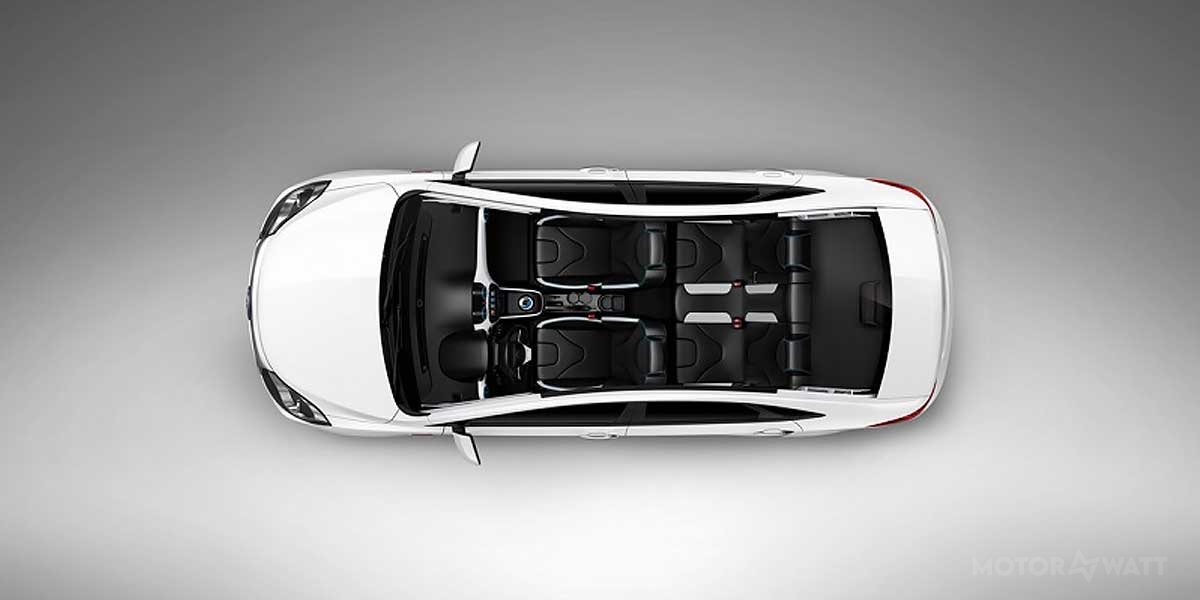
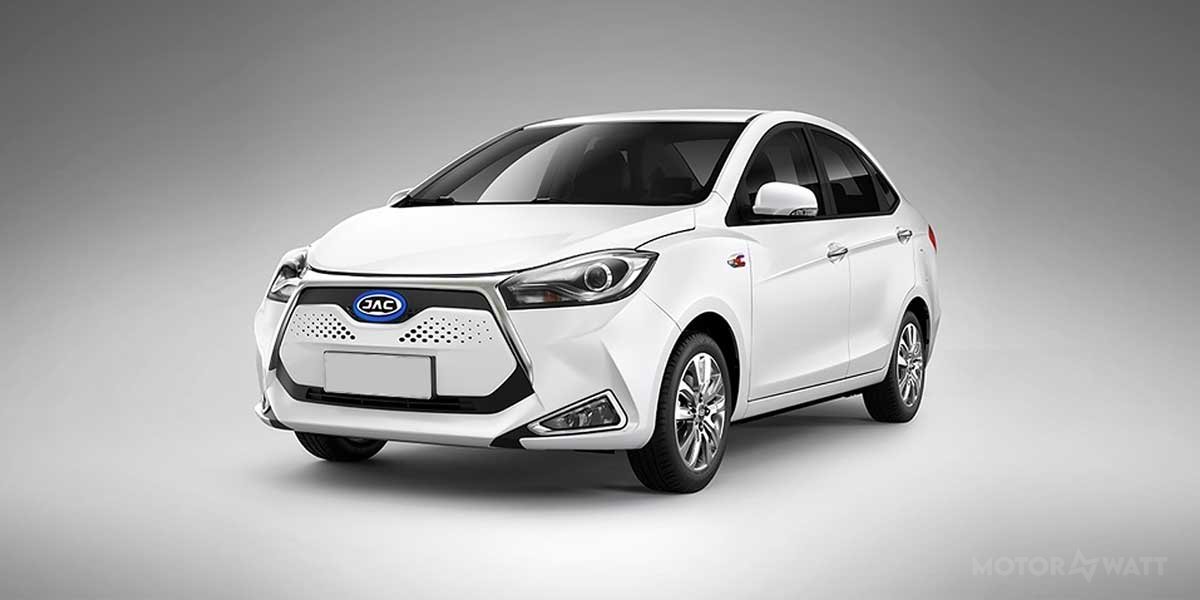
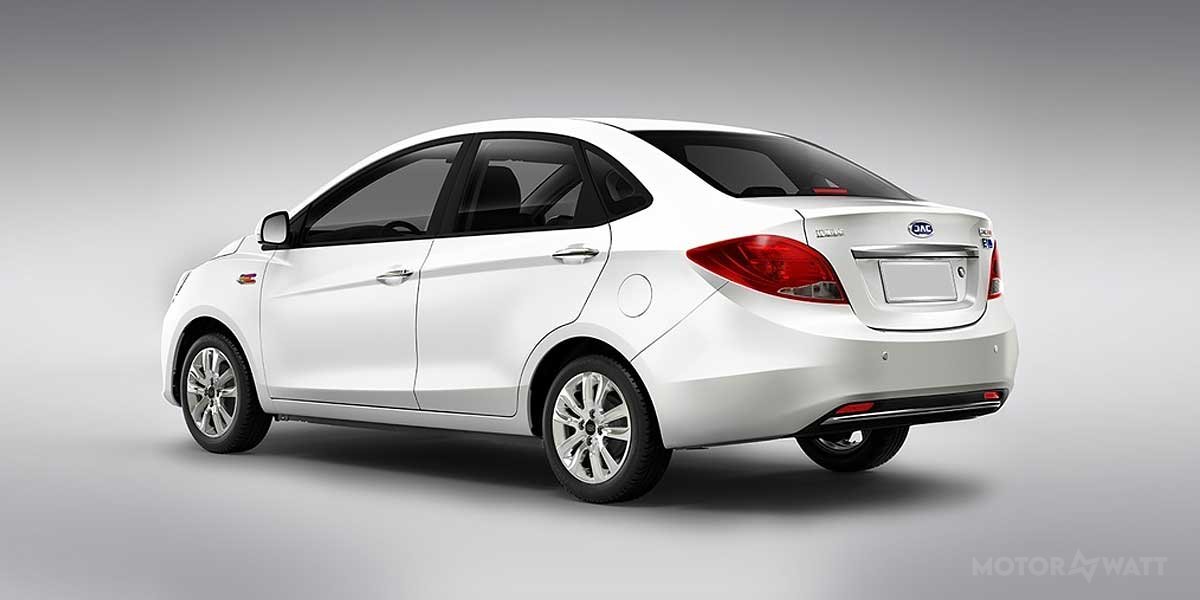
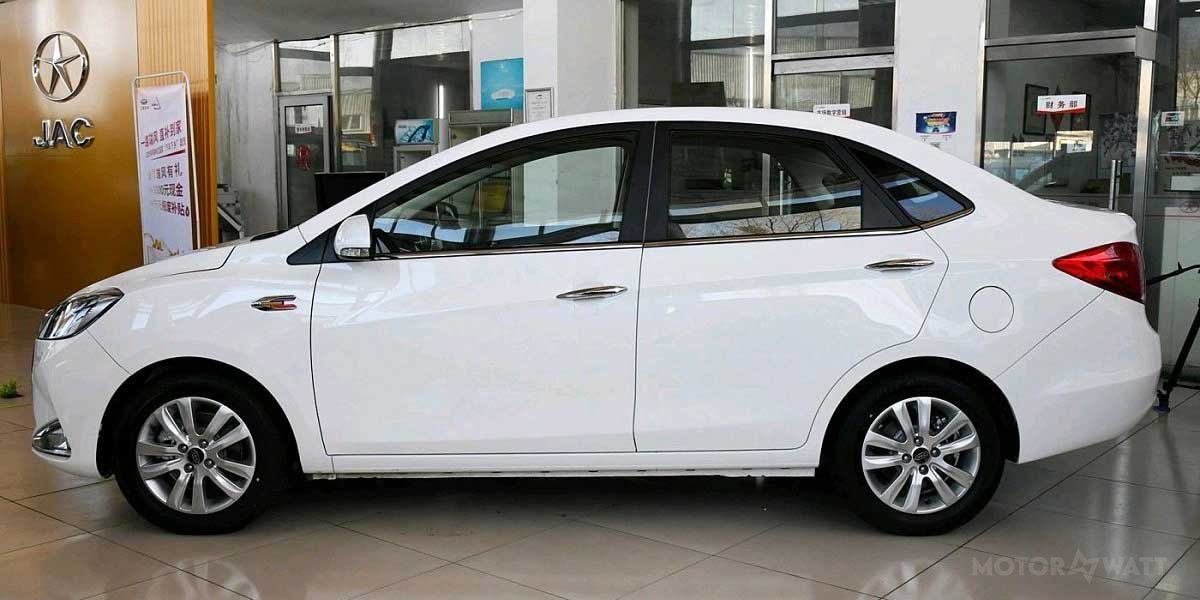
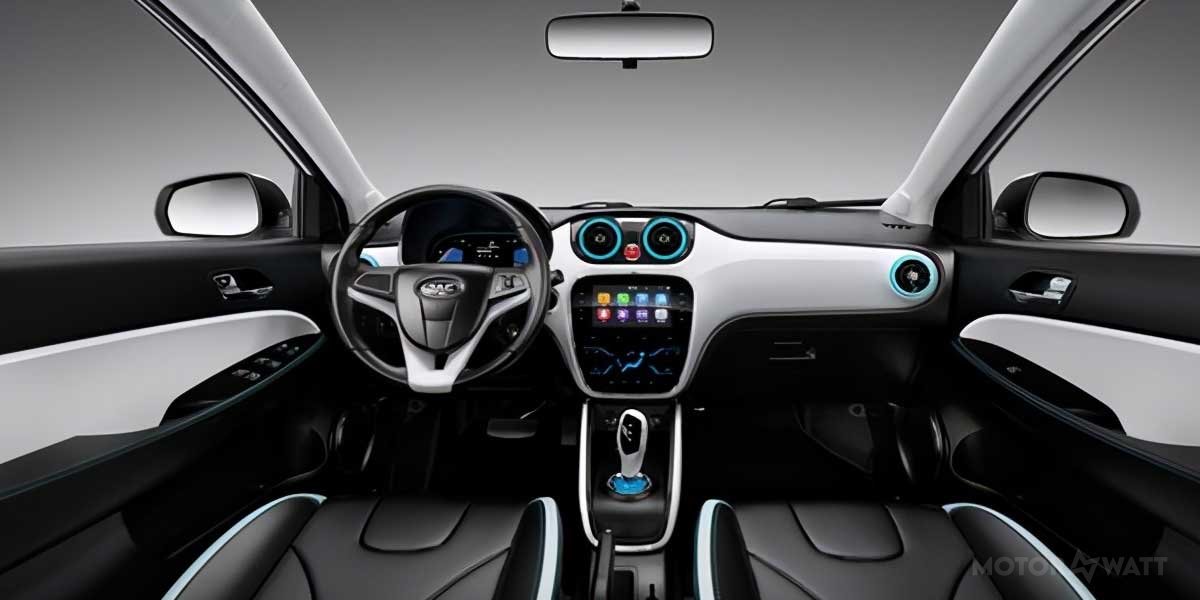
What is the JAC iEV7L 2024?
JAC iEV7L 2024: A Comprehensive Electric Sedan
Performance and Speed
The JAC iEV7L 2024 impresses with its acceleration, reaching 100 km/h in a mere 5.5 seconds. The sedan's top speed caps at 120 km/h, making it suitable for both urban commuting and highway driving. It features a synchronous electric motor on the front axle that delivers a maximum power output of 50 kW (68 hp) and a torque of up to 215 N/m.
Battery Capacity and Range
Equipped with a 33 kWh battery, the JAC iEV7L 2024 offers an NEDC range of 320 km (199 miles). However, real-world driving conditions tested under the EPA cycle show a more accurate range of 211 km (131 miles). This discrepancy highlights the differences in testing methodologies, with the EPA providing a more realistic scenario.
Charging Time
The charging infrastructure compatibility of the JAC iEV7L 2024 stands out with versatile charging options. Using an alternating current (AC) with a voltage of ~220 V (single-phase), a full charge takes approximately 21 hours 44 minutes. With a ~380 V three-phase setup, the time reduces to 5 hours 35 minutes. For quicker top-ups, a direct current (DC) fast-charging station can recharge the battery from 30% to 80% in just 45 minutes, or fully from 0% to 100% in 88 minutes.
Design Excellence
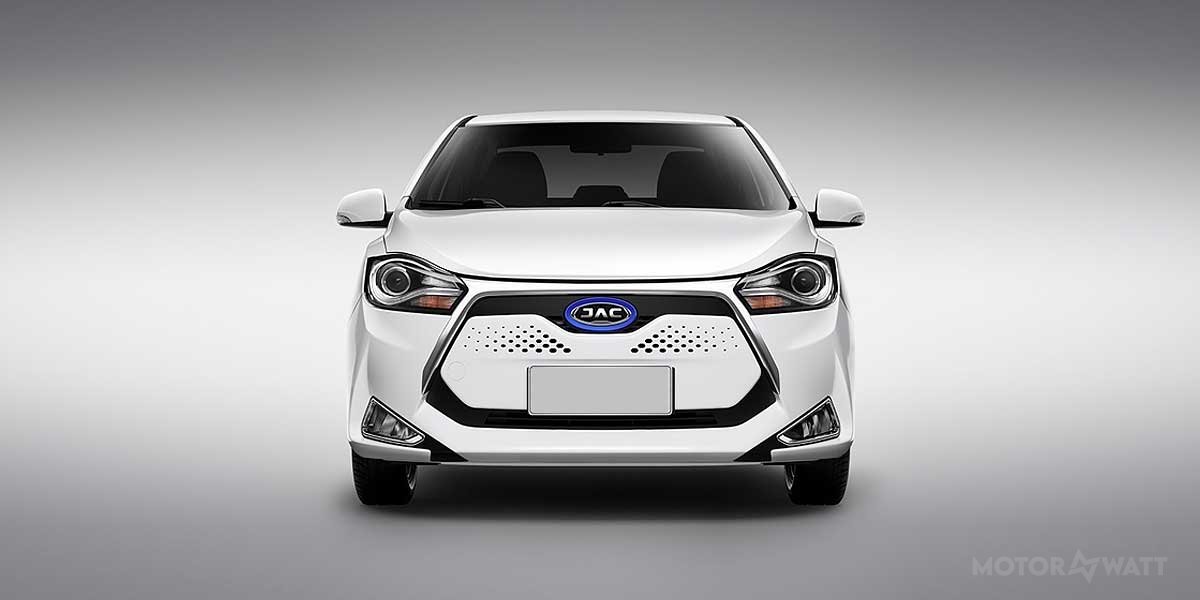
Italian design house Pininfarina's influence is evident in the refined aesthetics of the JAC iEV7L 2024. The sedan features a sleek, restrained style devoid of flashy embellishments. Highlights include rounded headlamps with large focusing lenses, a chrome plug replacing the radiator grille, and a sculpted rear end devoid of exhaust pipes, signaling its electric identity.
Interior and Comfort
The cabin of the JAC iEV7L 2024 is both practical and well-built, despite its budget-friendly pricing. The front seats are supportive, and the second-row offers decent comfort, though it may feel cramped for taller passengers. The infotainment system is centered around a 7-inch touchscreen with functionalities like 4G connectivity, USB ports, radio, and a CD/DVD drive. The car's air conditioning system ensures that the interior remains comfortable, irrespective of the weather conditions.
Safety and Equipment
Safety does not take a back seat with the JAC iEV7L 2024. It features dual airbags, a rearview camera, and parking sensors. Active safety mechanisms include ABS and EBD systems, while passive safety is bolstered by a trauma-safe steering column. The vehicle has earned a 5-star safety rating under the C-NCAP standard.
Driving Dynamics and Handling
The electric vehicle’s McPherson front suspension and torsion beam rear suspension are well-tuned to offer a balanced ride. It manages to absorb road imperfections smoothly without compromising on handling. The compact dimensions and precise steering contribute to its agility, especially in congested urban settings.
Trim Levels and Features
The JAC iEV7L 2024 comes in multiple trim levels. The base Elegant trim includes essentials such as fog lights, power-adjustable side mirrors, electric windows, and a multimedia system. The Luxury trim adds tire pressure sensors, climate control, and leather upholstery. The Luxury AT trim features electric driver seat adjustments, automatic headlights, and an electric sunroof.
Affordability
The JAC iEV7L 2024 offers tremendous value for its price tag of US$ 16,200 (£12,040/€15,000). Considering its range, features, and Pininfarina design, it makes a strong case against its more expensive competitors.
Watch the Video Overview

How does it compare?
Comparing the JAC iEV7L 2024 with 3-5 EV models within the same class and price range
The JAC iEV7L 2024 leaps to 100 km/h in just 5.5 seconds, with a top speed of 120 km/h. Let's pit it against other electric sedan rivals like the Nissan Leaf, Chevrolet Bolt EV, Hyundai Kona Electric, and Renault Zoe for a comprehensive showdown.
Range
In terms of range, the JAC iEV7L 2024 offers an NEDC range of 320 km (199 miles), while its real-world EPA range stands at 211 km (131 miles). The Nissan Leaf clocks around 243 km (151 miles) in EPA ratings. Meanwhile, the Chevrolet Bolt EV outshines with a 416 km (258 miles) range, and the Hyundai Kona Electric boasts an impressive 415 km (258 miles). The Renault Zoe delivers a moderate 240 km (149 miles) in real-world driving.
Acceleration
When it comes to acceleration, the JAC iEV7L 2024 makes a compelling statement with its 0-100 km/h sprint in 5.5 seconds. The Nissan Leaf takes 7.4 seconds to achieve the same feat. The Chevrolet Bolt EV and Hyundai Kona Electric shine with 6.5 and 6.2 seconds respectively. The Renault Zoe brings up the rear with a 9.5 seconds timing, proving quick enough for city maneuverability.
Power
The JAC iEV7L 2024's power train delivers 50 kW (68 hp), which is sufficient for its intended urban and suburban demographics. By comparison, the Nissan Leaf generates 110 kW (147 hp), the Chevrolet Bolt EV and Hyundai Kona Electric both flaunt a robust 150 kW (200 hp). The Renault Zoe posts a modest 80 kW (107 hp), enough to not feel left behind at traffic lights.
Charging Time
The JAC iEV7L 2024 offers a mix in its charging competencies. On a 220V single-phase AC source, it takes a marathon-worthy 21 hours and 44 minutes. A 380V three-phase supply scales that back to a more feasible 5 hours and 35 minutes. Fast charging from 0% to 100% on DC takes an optimally short 88 minutes. The Nissan Leaf typically charges in 7.5 hours on a 240V home setup but supports rapid charging up to 80% in 40 minutes. The Chevrolet Bolt EV and Hyundai Kona Electric require about 9-10 hours on a 240V source but shorten to an hour on DC fast charging. The Renault Zoe requires about 8-9 hours on a 22kW charger, making it quite versatile with a broad range of charging options.
Price
For the thrifters and budget hawks, the JAC iEV7L 2024 emerges with an aggressively competitive price tag of US$ 16,200 (£12,040/€15,000). This makes it more affordable than the Nissan Leaf at approximately US$ 31,000, the Chevrolet Bolt EV also hanging around US$ 31,000, and the Hyundai Kona Electric touching US$ 37,000. The Renault Zoe slides in at about US$ 28,000, still pricier than our JAC iEV7L 2024.