Lotus Evija
Lotus Evija is an electric hypercar that resets the performance limits with its breathtaking speed, aerodynamic design, and advanced electric motor that offers an exhilarating drive.


| Body Type | hypercar |
| Model Year | 2022 |
| Manufactured in | United Kingdom |
| Battery Capacity (kWh) | 70 |
| Electric range (mi) | 249 |
| Max. Speed (mi/h) | 199 |
| 0-62 mi/h (sec) | 2.9 |
| Power (h.p.) | 2001 |
| Power Type | electric |
| Drive Type | AWD |
* Minimum price set for the base trim by the manufacturer

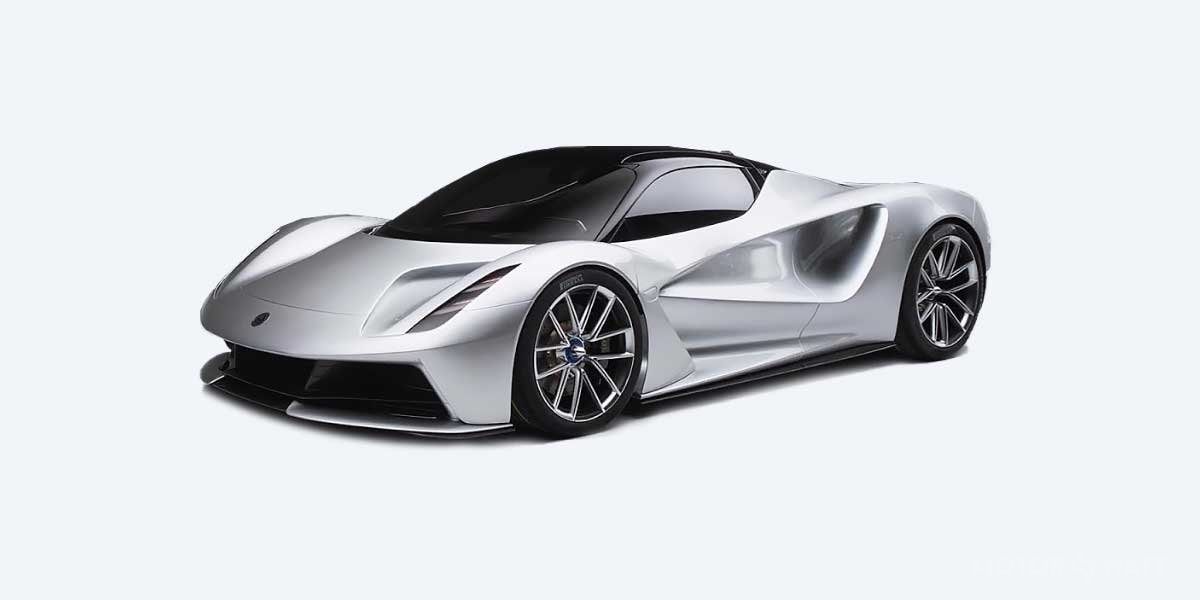
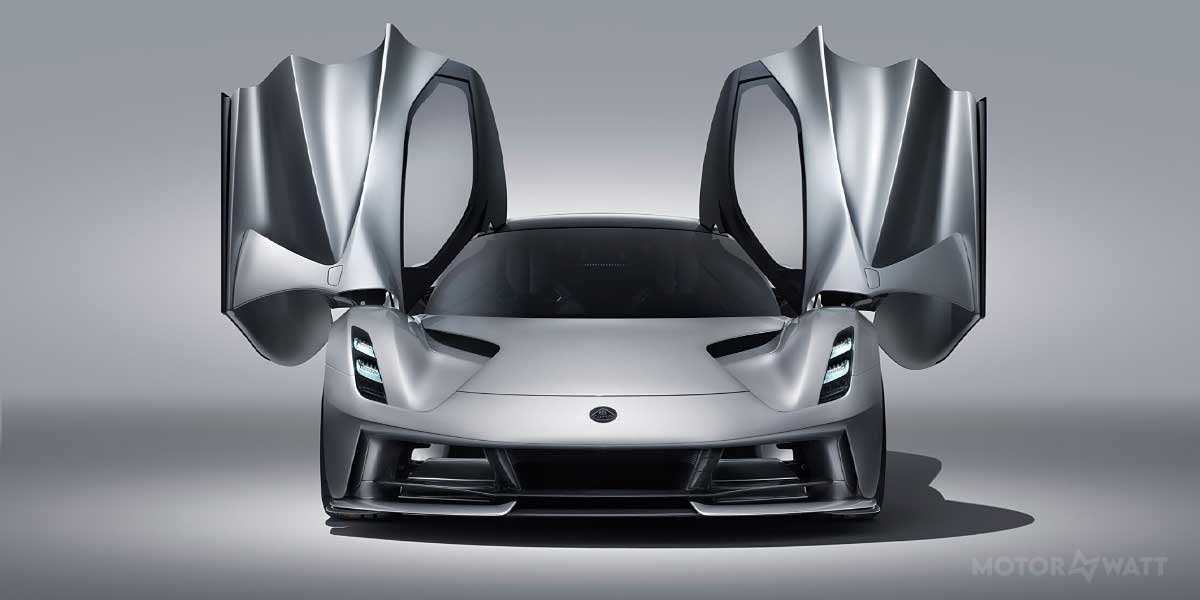
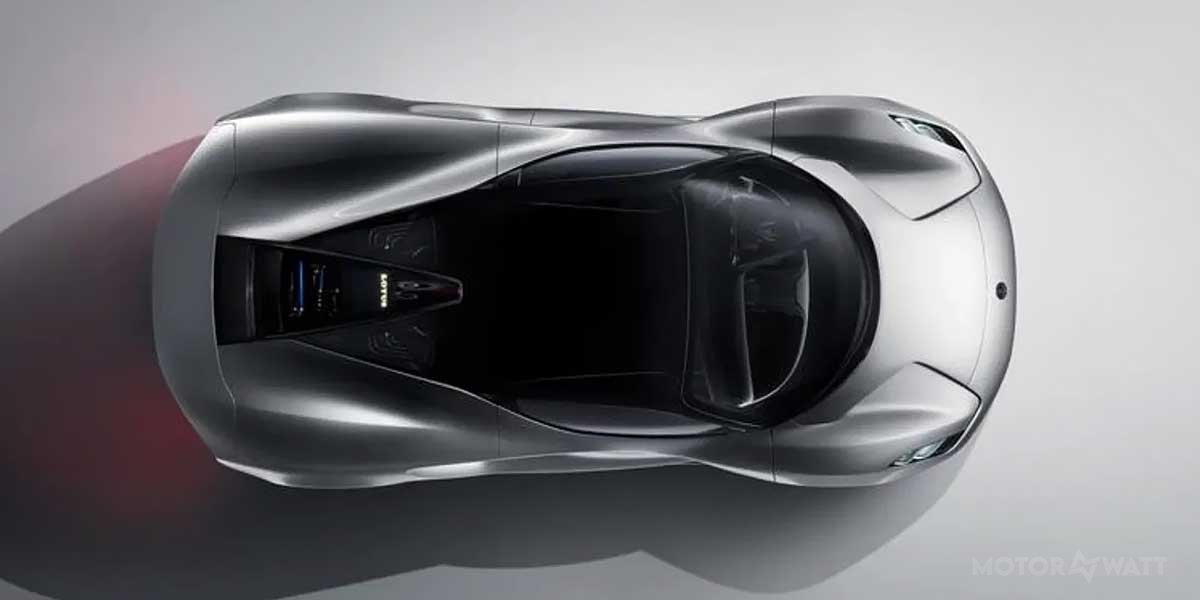
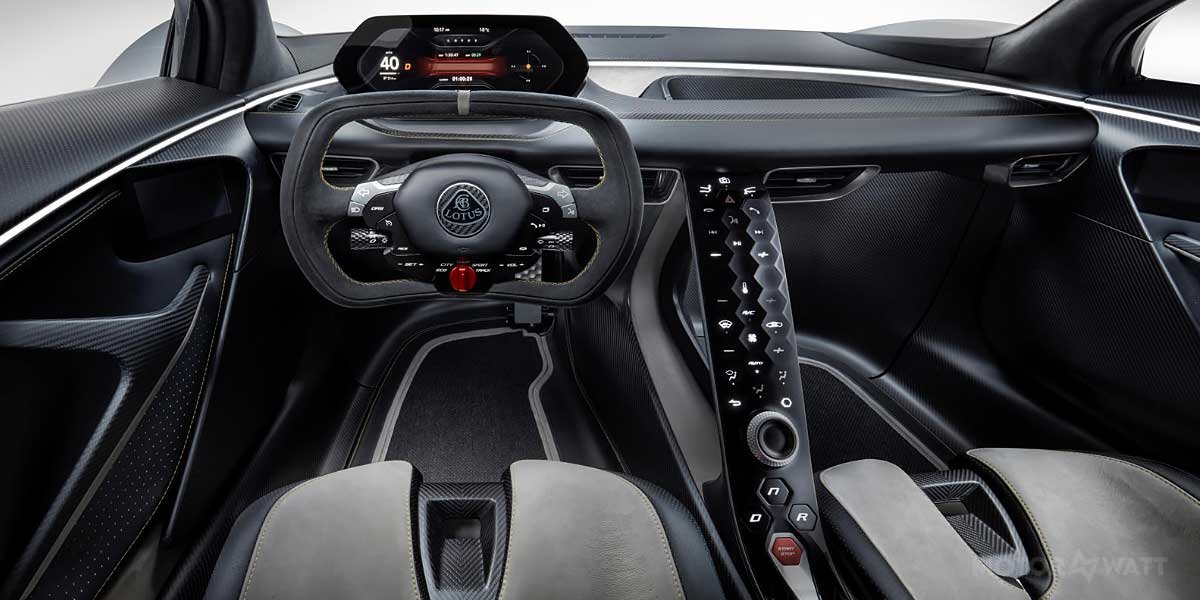
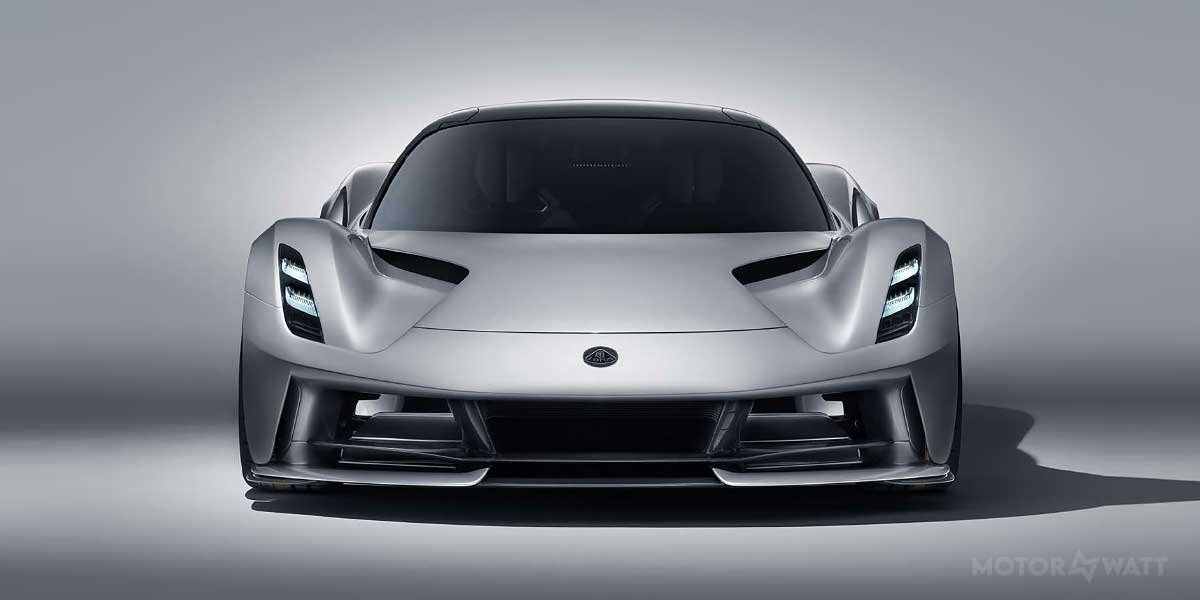
Exterior and Interior photos of Lotus Evija
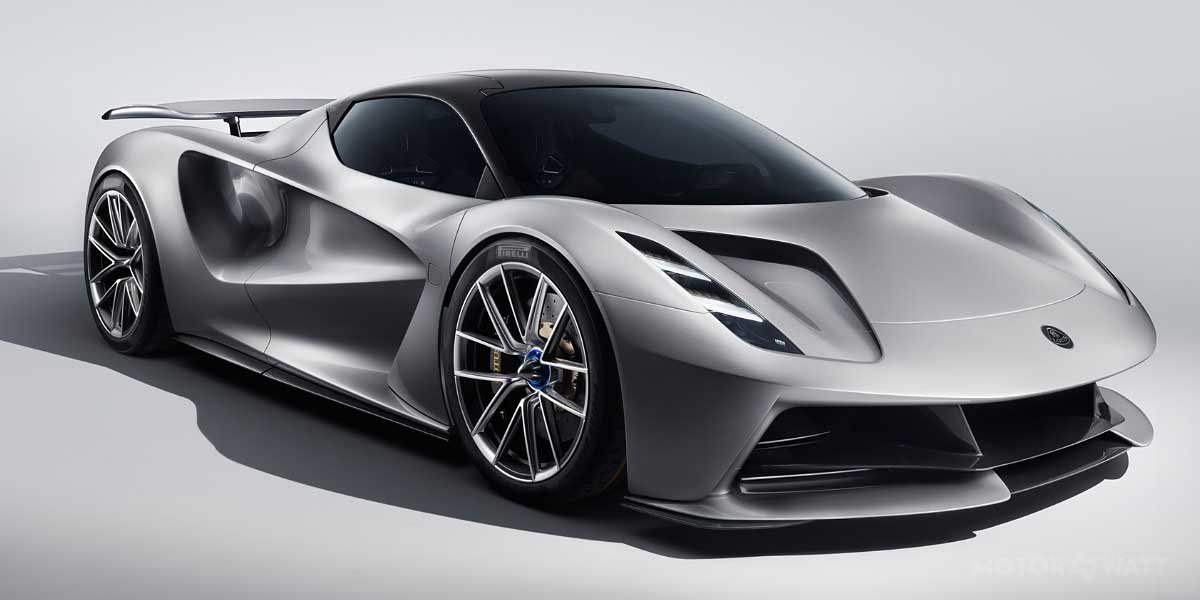
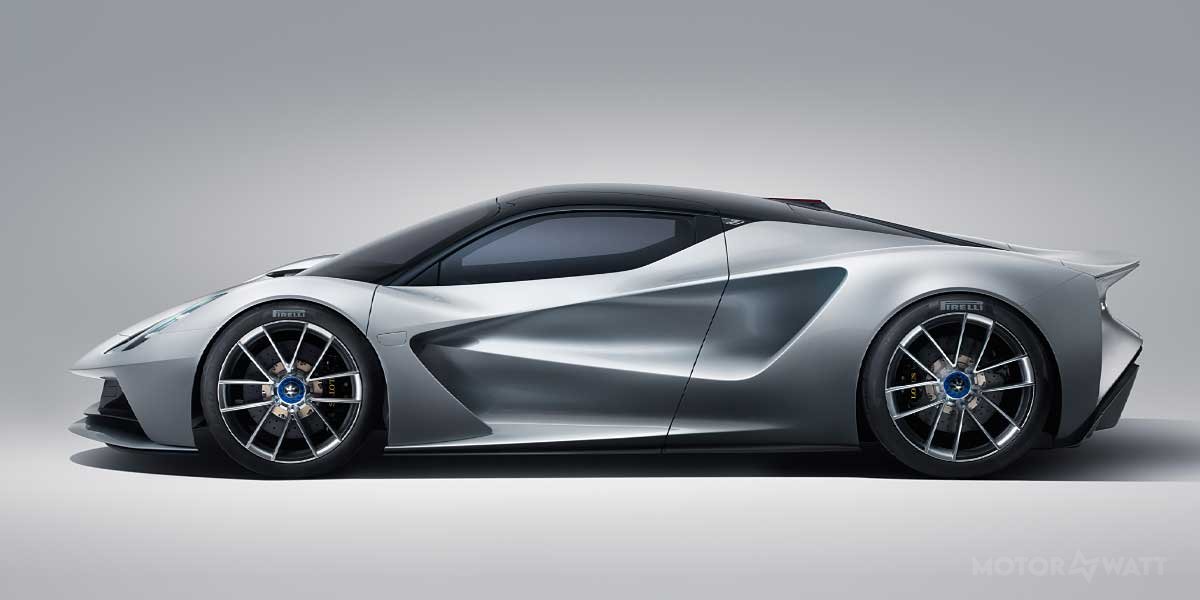
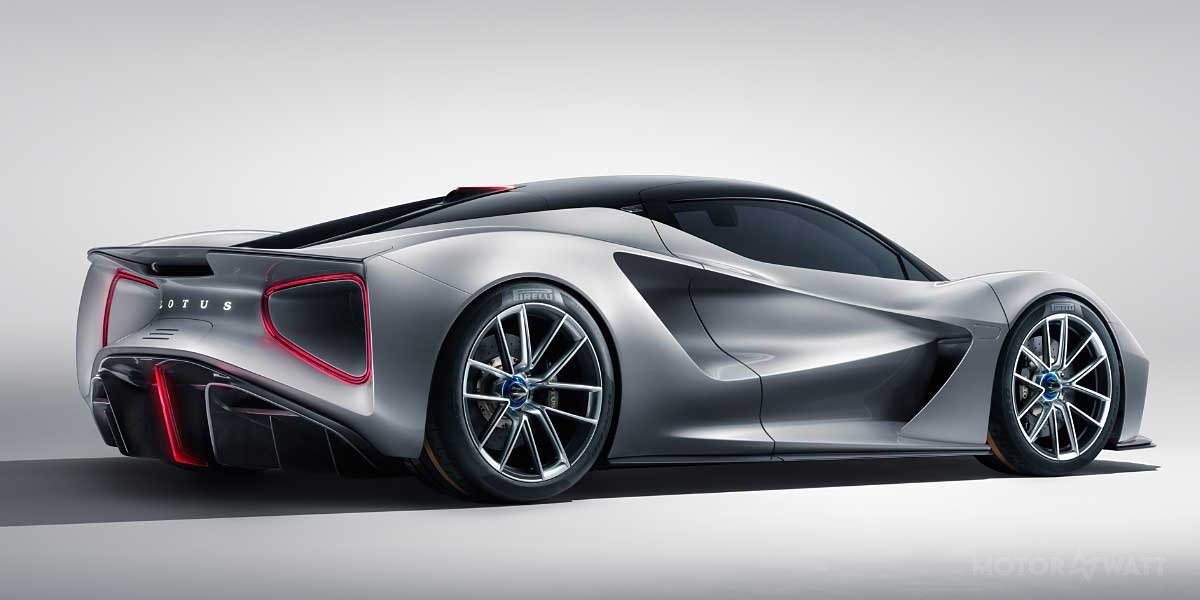
What is the Lotus Evija?
Exploring the Lotus Evija: An Electric Hypercar Paragon
Stepping into the limelight, the Lotus Evija stakes its claim as an apex predator in the electric hypercar domain. Birthed in the crucible of British engineering finesse, this vehicular chimera illustrates what happens when electricity dons the cloak of high-octane performance.
Unveiling the Lotus Evija
A New Dawn for Hypercars
2022 ushers in the Lotus Evija, a tour de force that marries the storied tradition of Lotus Cars with the electrifying future of automotive travel. This electric leviathan stands as a beacon, illuminating the path for hypercars venturing into the electric odyssey.
Architectural Genius and Athletic Prowess
Conceived with a carbon fiber skeleton, the Evija's construct is not merely a triumph of strength and endurance. It is a sanctuary dedicated to the blending of safety, swiftness, and aesthetic beauty, achieving a harmonious equilibrium between elegance and efficiency.
Dissecting the Lotus Evija: Specs Unveiled
Monstrous Might and Lightning Reflexes
Armored with quadruplet electric sentinels, the Evija boasts a Herculean strength of 2001 horsepower. This prodigious might catapults it from stasis to 100 km/h in 2.9 breaths, with its speed peaking at a blistering 320 km/h, firmly establishing it among the zenith of speed deities.
The Heart of the Behemoth: Battery and Range
The 70 kWh heart that beats within the beast guarantees a voyage of 400 km, melding the brute force of performance with the grace of range, a rare alchemy in the hypercar echelons.
Lotus Evija: A Confluence of Luxury and Exclusivity
The Price Tag: A Reflection of Rarity
With an astral asking price of $2,100,000, the Lotus Evija transcends mere transportation to become a talisman of opulence in the electric vehicle pantheon. This tag not only mirrors its scant production but underscores its unparalleled synthesis of technology and speed.
Ephemeral Beauty: Limited Production
The Evija does not simply present itself as an automobile; it is a reliquary of innovation and design excellence in electric sports car mythology, rendering it an objet d'art for aficionados and collectors alike.
Inside the Lotus Evija: A Sanctuary of Sophistication
Sumptuous Accoutrements and Artisanal Grace
The sanctuary within the Evija whispers tales of luxury, comfort, and avant-garde technology, a true manifestation of Lotus's devotion to marrying Herculean performance with unrivaled elegance.
Digital Wizardry and Connectivity Orchestration
Imbued with the latest technological incantations, the Evija offers a concerto of infotainment and connectivity, elevating the symphony of the drive to celestial heights.
Exterior Aesthetics: Beholding the Lotus Evija
The Alchemy of Design
The visage of the Evija combines breathtaking beauty with functional magnetism. Its contours not only captivate the gaze but also contribute to its aerodynamic ballet, ensuring each motion is a performance.
The Fabric of Innovation
The monocoque carbon fiber physique exemplifies Lotus's mastery over innovative craftsmanship, setting a new bar for automotive architecture and design.
The Genesis and Influence of the Lotus Evija
An Epochal Advent
The emergence of the Lotus Evija in 2022 marks a pivotal chapter in vehicular history. It heralds the dawn of a new era in electric hypercar dynamics, recalibrating notions of agility, velocity, and aesthetics.
A Legacy Transcending Borders
The ripples of the Evija's introduction transcend the automotive realm. It exemplifies the untapped potential of electric vehicles, seeding the clouds for future torrents of innovation and design in the industry.
Watch the Video Overview

Full specifications
| Power | 2001 hp (1492 kW) |
| 0 to 100 km/h | 2.9 s (0 to 60 mph 2.9 s) |
| Range | 400 km (249 miles) |
| Max. Speed | 320 km/h (199 mph) |
| Battery Capacity | 70 kWh (70 kWh) |
| Price | 2,100,000 USD, 1,954,000 EUR, 1,723,000 GBP |
How does it compare?
Lotus Evija is a worthy competitor in the electric vehicle arena, jostling alongside the Rimac Nevera, Tesla Roadster, Aspark Owl, and Pininfarina Battista. Here’s a given rundown of how the Evija stacks up against these automotive marvels.
Range
The Lotus Evija offers a respectable range of 400 kilometers (248.5 miles) on a single charge, giving it enough juice for those spirited drives when you’re not in the mood to find a charging station. Now, consider the Rimac Nevera, it edges past with a range of 550 kilometers (341.8 miles), giving you just that bit more freedom. The Tesla Roadster blows past the competition with an anticipated range of 1000 kilometers (621.4 miles), though on paper and reality can sometimes diverge. The Aspark Owl and Pininfarina Battista both sit comfortably at 450 kilometers (279.6 miles) and 500 kilometers (310.7 miles) respectively, making the Evijas range quite middling in this high-octane ballet.
Acceleration
The Evija bursts from 0 to 100 km/h in a scorching 2.9 seconds. While that’s impressive enough to make your Starbucks latte hit the back of your seat, the Aspark Owl does it in a jaw-dropping 1.7 seconds, essentially time-travel. The Rimac Nevera and Pininfarina Battista aren’t far behind, jetting from 0 to 100 km/h in 1.85 and 1.9 seconds, respectively. The Tesla Roadster promises sub-2 seconds, but as a teaser, time will tell if it can hold its own in this roaring ensemble. Still, the Evija certainly quickens the pulse, even if it isn’t the top sprinter.
Power
When it comes to raw power, the Lotus Evija barks loudly with 2001 horsepower, proclaiming its kingdom in the power stakes. The Rimac Nevera isnt to be outdone with its 1914 horsepower providing a stable of sheer brutality. The Aspark Owl enters the fray with a competitive 2012 horsepower, while the Pininfarina Battista stands its ground with 1877 horsepower. The Tesla Roadster, traditionally more conservative in horsepower, still packs a beastly punch in the promised range, but exact figures remain tantalizingly vague. Ultimately, the Evija’s power profile is an automotive flex like no other.
Charging Time
In the mad rush to get back on the road, the Lotus Evija boasts an 18-minute charge time to 80 percent—lightning fast by any measure. The Rimac Nevera is not lacking either, with its own swift charging capabilities that turn a long lunch break into a full tank. The Tesla Roadster speaks of rapid charging, though specifics are murky, banking on Tesla’s robust supercharger network. The Aspark Owl and Pininfarina Battista offer competitive charging times that hover around the standard set by the industry. Nevertheless, in the electrifying world of recharge times, the Evija is no slouch.
Price
At a staggering 2,100,000 USD (1,570,000 GBP, 1,900,000 EUR), the Lotus Evija doesn’t come cheap and puts a Titan-size dent in your wallet. The Rimac Nevera, not exactly a bargain bin at around 2,400,000 USD (1,800,000 GBP, 2,200,000 EUR), makes the wallet weep. The Tesla Roadster, always the disruptor, is relatively affordable at around 200,000 USD (150,000 GBP, 180,000 EUR). The Aspark Owl and Pininfarina Battista crumple the financial well-being similarly at 3,600,000 USD (2,700,000 GBP, 3,300,000 EUR) and 2,500,000 USD (1,875,000 GBP, 2,300,000 EUR) respectively. Not for the faint-hearted or light-pocketed, these giants stand shoulder to shoulder, each with their own hefty price tags.
So there you have it, the Lotus Evija might not be the fleetest, longest-lasting, or even the most wallet-friendly among its peers, but it holds its own as a tour de force in the electric vehicle landscape. Charging times, sheer power, and a respectable range—all wrapped in a British engineering marvel. Buckle up, the future of driving is electric, and its nothing if not electrifying.