Renault Megane E-Tech
Renault Megane E-Tech is an electric hatchback blending modern design with cutting-edge technology for efficient, emission-free driving. It offers dynamic performance, a spacious interior, and advanced features for an electrifying experience on the road.


| Body Type | hatchback |
| Model Year | 2022 |
| Manufactured in | France |
| Battery Capacity (kWh) | 55 |
| Electric range (mi) | 280 |
| Max. Speed (mi/h) | 99 |
| 0-62 mi/h (sec) | 7.5 |
| Power (h.p.) | 220 |
| Drive Type | FWD |
* Minimum price set for the base trim by the manufacturer

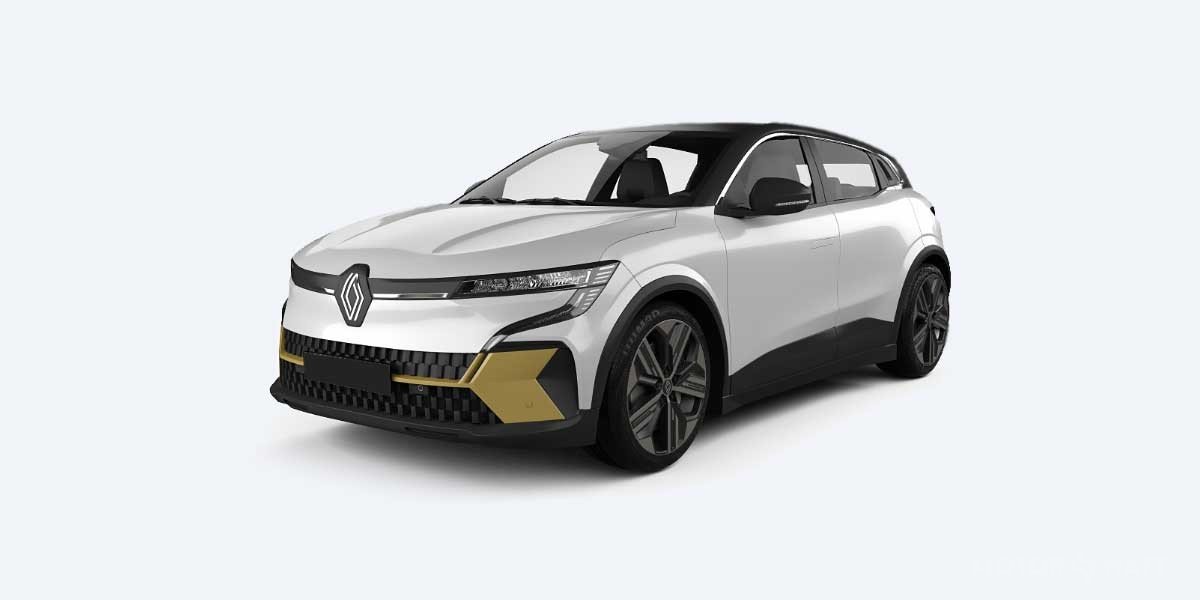
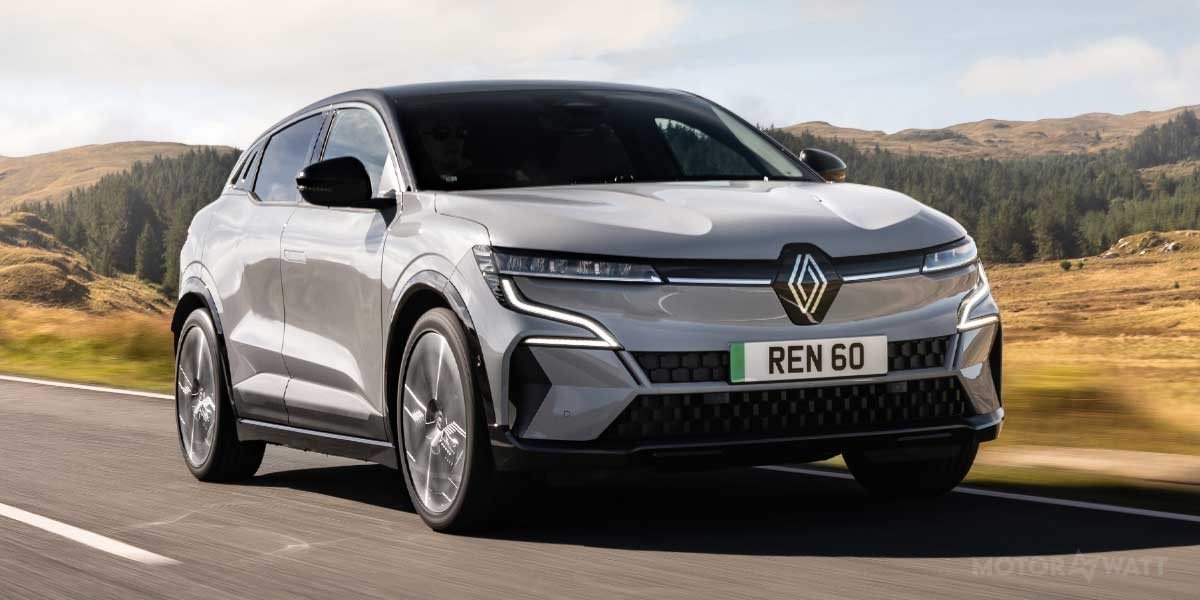
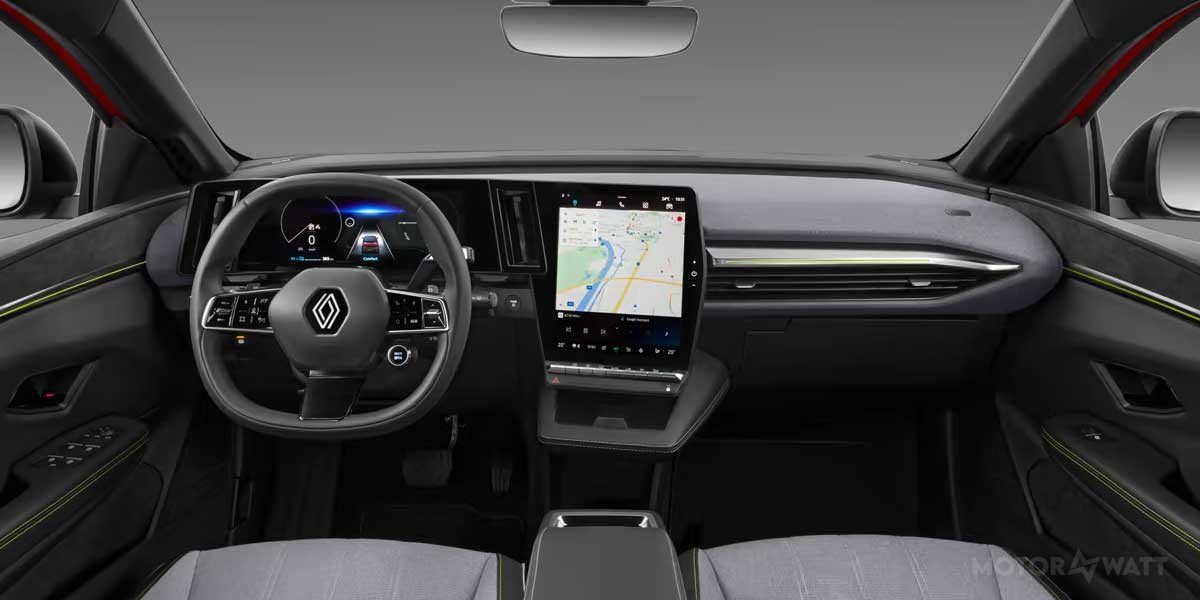
Exterior and Interior photos of Renault Megane E-Tech
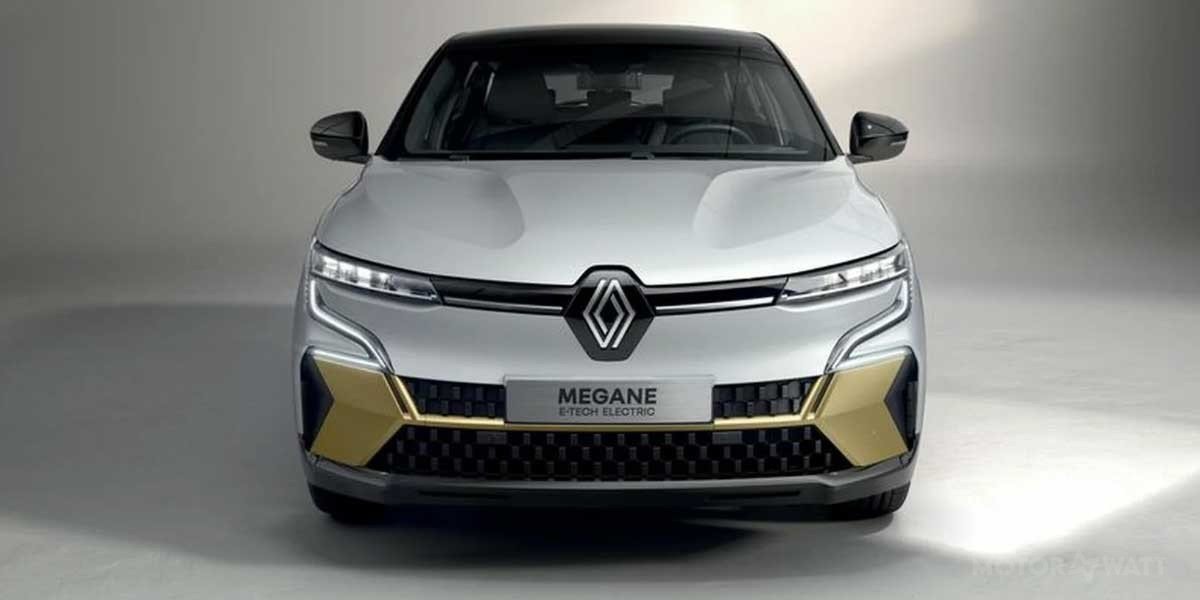
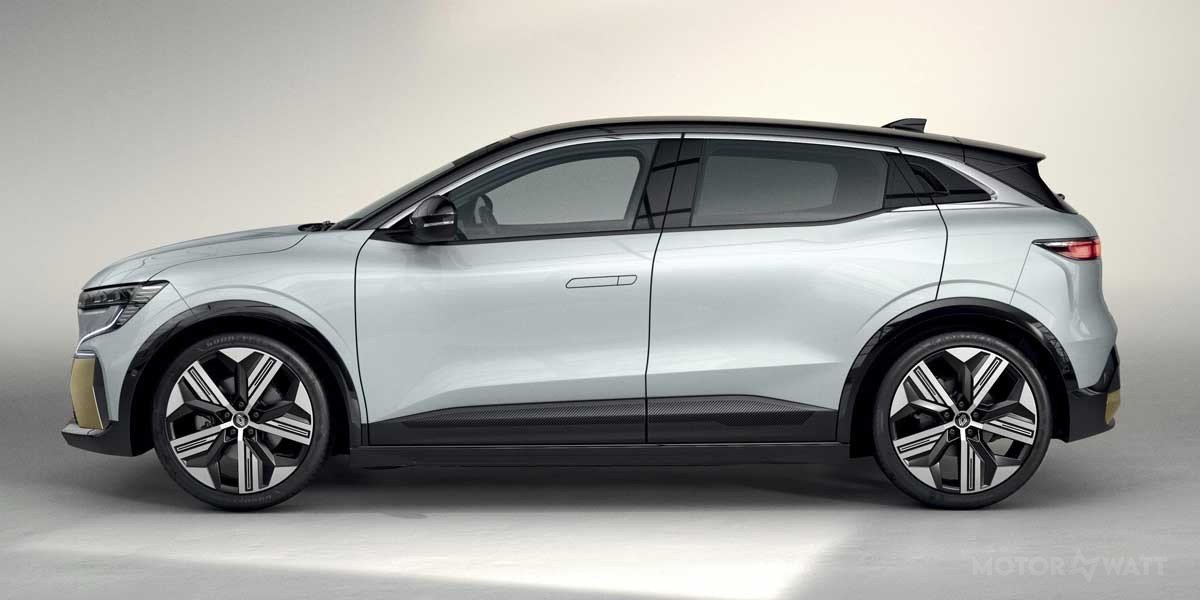
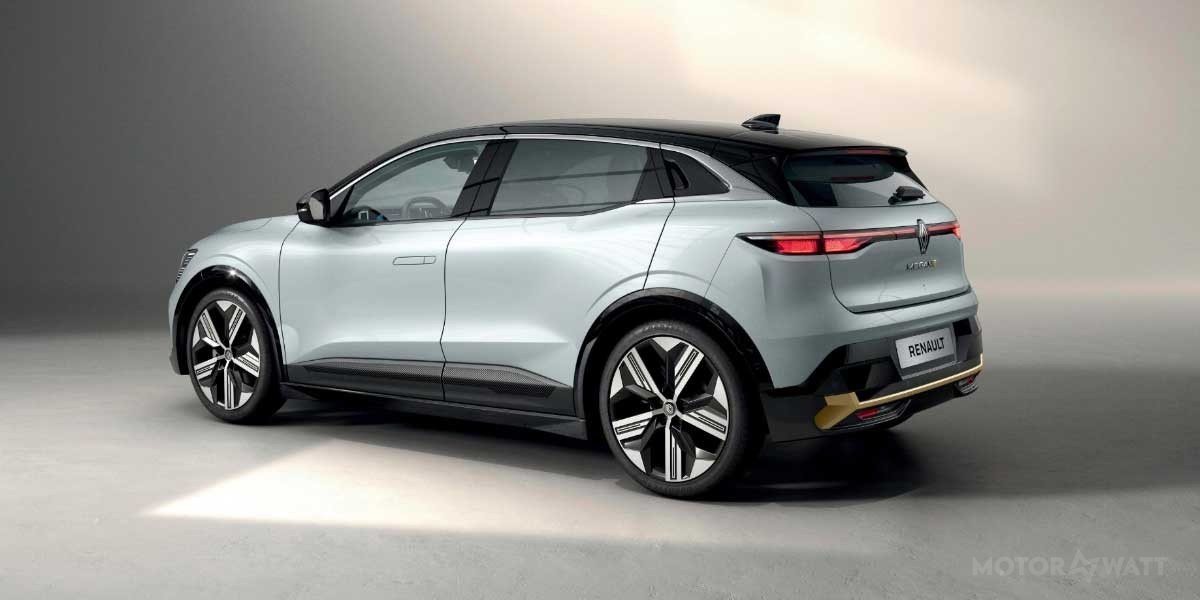
What is the Renault Megane E-Tech?
Renault Megane E-Tech Electric Hatchback: A Beacon of Modern Mobility
Introducing the Renault Megane E-Tech, France's latest contribution to the electric vehicle (EV) sector that elegantly combines chic design with cutting-edge technology. The Megane E-Tech signifies more than just a transition to electric; it symbolizes a leap towards redefining urban mobility with its smartly crafted features and a dash of Parisian flair. Let's venture into the world of the Renault Megane E-Tech, dissecting its technical specifications, aesthetic appeal, and its ultimate raison d'être in the EV cosmos.
Renault Megane E-Tech: Decoding the Spectacular Specs
Setting you back from $45,400, the Megane E-Tech strikes an optimal balance between cost-efficiency and stellar performance. Capable of trotting up to a staggering 450 kilometers on a single charge and reaching a top velocity of 160 km/h, this electric hatchback reimagines long drives and spirited escapades without fretting over range or speed limitations.
Exquisite Design Meets Functional Aesthetics
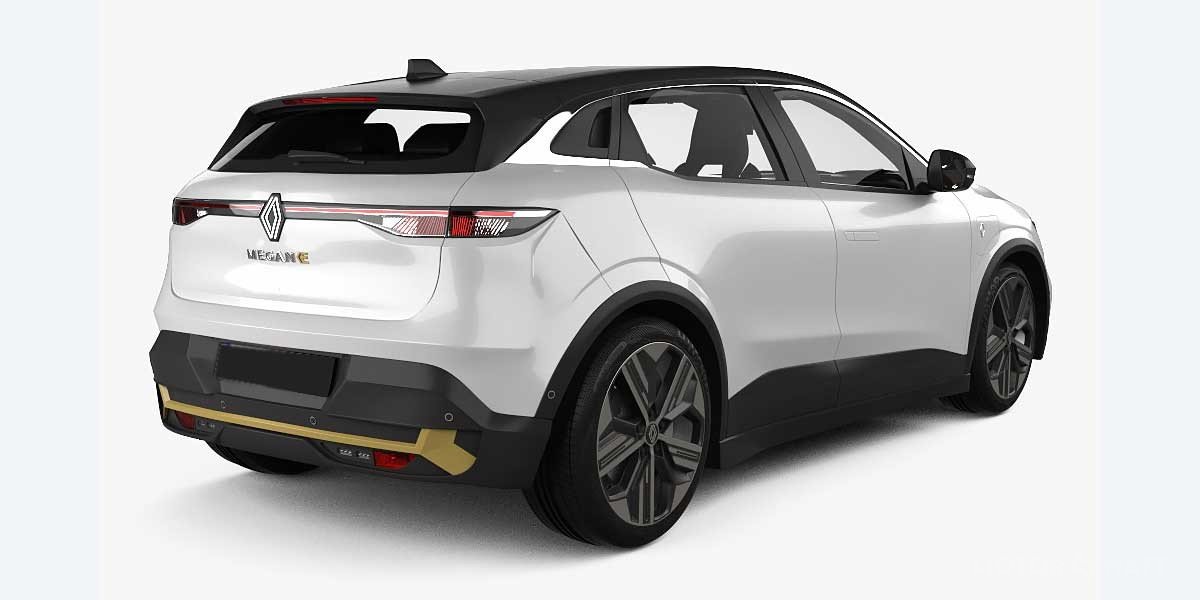
The allure of the Renault Megane E-Tech extends beyond its electric soul. With a streamlined body measuring 4210 mm in length and a breadth of 1770 mm, it cuts a more svelte figure than its fossil-fueled brethren, without sacrificing an iota of its visual charm. Its leaden LED gaze and sleek, retractable door handles are mere harbingers of the sophistication that awaits within. Not to mention, the elevation to 1500 mm and a wheelbase stretching to 2700 mm, invitingly augment inner cabin respite and repose for passengers.
The Nirvana of Engineering: The CMF-EV Modular Platform
At its core, the Megane E-Tech wields the power of the CMF-EV modular platform, an embodiment of the Renault-Nissan alliance's engineering prowess, and a shared foundation with the remarkable Nissan Ariya SUV. This innovative chassis imbues the Megane E-Tech with a layout specially designed for EV triumphs, enfolding its electrical innards in the fore and bestowing a rear multi-link suspension that assures a driving experience as smooth as silk.
Thrilling Performance Meets Eco-Friendly Drive
Throbbing beneath its polished facade is a heart that pulses with 220 horses, ready at the beck and call to gallop through roads with unrestrained zest. Coupled with a 55 kWh battery, the Megane E-Tech prides itself on judicious energy consumption and a minimal carbon footprint, heralding a new dawn of environmentally conscious driving dynamics.
Urban Nimbleness with Front-Wheel Drive
Engineered with city labyrinthine in mind, the Megane E-Tech employs front-wheel drive to ensure dexterity and poise in tight corners and crowded streets. While the CMF-EV platform offers the allure of all-wheel-drive in other models, the Megane E-Tech relishes in the simplicity and charm of a front-wheel experience, tailored for the urbanite.
The Renault Megane E-Tech stands as a testament to Renault's electric dream, melding novel platform engineering, entrancing design language, and technological advancements into an electric hatchback that reimagines contemporary urban mobility. Achieving the perfect symphony of performance, efficiency, and chic compactness, the Megane E-Tech is sculpted for the modish urban dwellers. In a world inching closer to sustainable commuting, the Megane E-Tech is at the forefront, steering us towards a brighter, cleaner future on wheels.
Watch the Video Overview

Full specifications
| Power | 220 hp / 164 kW |
| 0 to 100 km/h | 7.5 s / 0 to 62 mph |
| Range | 450 km / 280 miles |
| Max Speed | 160 km/h / 99 mph |
| Battery Capacity | 55 kWh / 24.1 gallon (gasoline equivalent) |
| Price | $45,400 / €43,000 / £37,500 |
How does it compare?
Renault Megane E-Tech strides confidently into the electric vehicle landscape, facing stiff competition from the likes of Nissan Leaf, VW ID.3, and Hyundai Kona Electric. It’s a battle of wits and watts, where range, acceleration, power, charging time, and price are the key metrics of success.
Range
The Renault Megane E-Tech boasts a range of 450 km (279 miles), a feat that positions it competitively within its class. The Nissan Leaf, with a 62 kWh battery, clocks in at a slightly lower 385 km (239 miles). Not shabby, but the Mégane bests it like a marathon runner outpacing the jogger. The VW ID.3, armed with a 58 kWh battery, is neck-and-neck with a distance of up to 424 km (263 miles). Ever the marathoner, it too falls just short. The plucky Hyundai Kona Electric springs out with a notable 484 km (301 miles), outperforming the Mégane, albeit with a slightly larger 64 kWh battery.
Acceleration
When it comes to sprinting off the line, the Renault Megane E-Tech does 0-100 km/h in 7.5 seconds. Given it’s a five-door hatchback, its respectably swift. In contrast, the Nissan Leaf accomplishes the same sprint in 7.9 seconds; it’s like comparing a cheetah to a sprightly leopard. The VW ID.3 matches the pace at 7.3 seconds, pulling ahead by the skin of its teeth. Meanwhile, the heavy-footed Hyundai Kona Electric takes 7.6 seconds to hit the century, just a tad slower than the Renault.
Power
With 220 horsepower, the Renault Megane E-Tech doesn’t shy away from flexing its muscles. The Nissan Leaf trails not far behind with a 214 HP output, a slight dip but enough to keep you glued to the road. The VW ID.3 offers 201 HP, a modest yet respectable figure for the modern-day commuter. Last but not least, the Hyundai Kona Electric delivers a vigorous 201 HP, proving it’s no slouch in the power department.
Charging Time
Charging efficiency is a different beast altogether. The Renault Megane E-Tech can juice up its 55 kWh battery to 80% in about 30 minutes using a 150 kW DC fast charger. The Nissan Leaf, whilst equipped with rapid charging capabilities, takes around 45 minutes to achieve a similar charge. The VW ID.3, formidable as ever, matches the Mégane’s 30-minute refuel. The Hyundai Kona Electric, needing about 54 minutes, limps slightly behind, proving time is a luxury some EV drivers can’t afford.
Price
On the financial front, the Renault Megane E-Tech is tagged at USD 45,400 (GBP 33,500, EUR 39,900). The Nissan Leaf comes in cheaper at around USD 43,000 (GBP 31,700, EUR 38,000), making it the budget-conscious entry of the lot. The VW ID.3 is perched at about USD 44,000 (GBP 32,500, EUR 40,000), closely mirroring the Mégane’s financial allure. The Hyundai Kona Electric, slightly more wallet-friendly, is priced at around USD 41,000 (GBP 30,200, EUR 36,500).
In this heated arena, the Renault Megane E-Tech holds its own, offering a tasty mix of range, acceleration, and power – with a price tag to match. It’s a compelling choice for the eco-conscious and the tech-savvy alike.